Understanding Your Pet
Laboratory testing to help guide your pet’s care
Lab tests can help explain changes in your pet’s health that a physical exam alone may not reveal. Learn how in-house testing fits into your pet’s visit, what samples may be needed, and what results can tell us.
Get a clearer picture of what your pet needs
When your pet is not acting like themselves, laboratory testing can help narrow down possible causes. At Oakline Animal Hospital and Urgent Care in San Carlos, CA, our in-house laboratory supports veterinary decisions by adding information about what is happening inside your pet’s body.
We may recommend testing when your pet has symptoms such as vomiting, diarrhea, changes in thirst, reduced appetite, or unusual tiredness. Lab work can also be useful when checking an ongoing health concern or monitoring certain medications. The right tests depend on your pet’s symptoms, examination, age, and medical history.
A laboratory result is one piece of the picture, not a diagnosis by itself. We consider results alongside what you have noticed at home and what we find during the examination. Sometimes that information points toward a next step; other times, additional testing is needed to understand the problem.
What to expect when your pet needs lab work
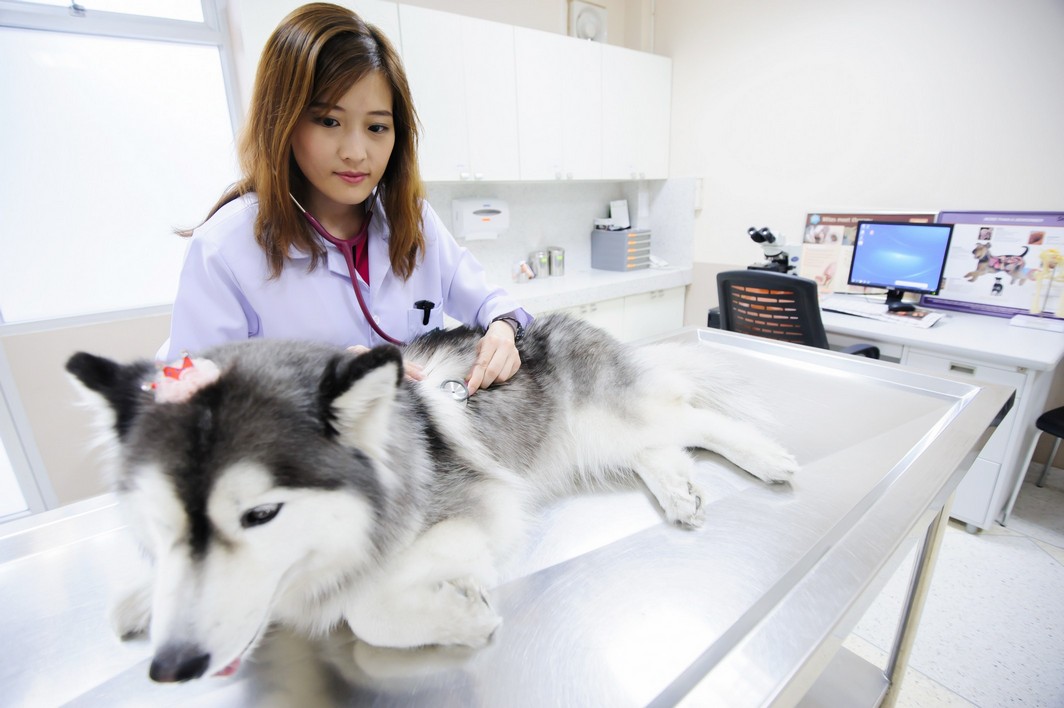
Most laboratory testing begins with a blood, urine, or stool sample. Before collecting a sample, we can explain what the recommended test is intended to check and how it may affect your pet’s care. Let us know if your pet gets anxious during handling or has had difficulty with sample collection before.
A blood draw usually involves a brief needle pinch while your pet is gently held. Urine collection methods vary depending on the test, and a stool test may use a fresh sample you bring from home. Ask us before collecting anything so we can explain the appropriate container, amount, and storage instructions.
Tell us about all medications and supplements your pet receives, including recent doses. Some tests require fasting, but others do not. Do not withhold food, water, or prescribed medication unless we give you specific instructions, especially if your pet is young, diabetic, or already unwell.
If you are arranging a visit, share the changes you have noticed and when they began. You can call (650) 443-7411 to ask about preparation or request an appointment.
When results are ready, we explain what comes next
In-house testing can make useful information available during a visit, depending on the test and your pet’s situation. Not every test can be performed on-site, and some samples need evaluation by an outside laboratory. We can explain the expected timing for the tests recommended for your pet.
An abnormal result does not always mean a serious illness, and a result within the reference range does not rule out every problem. Stress, hydration, medications, and other factors can affect certain measurements. Comparing results over time may be more informative than looking at a single value.
Once results are available, we explain how they fit with your pet’s symptoms and examination. Next steps may include treatment, monitoring at home, repeat testing, or further evaluation. If your pet worsens while you are waiting, contact us rather than assuming it is safe to wait for the report.
FAQ
Questions about your pet’s laboratory testing
Will my pet need sedation for lab work?
Many pets can have routine samples collected without sedation. If your pet is very fearful, painful, or difficult to handle safely, we can discuss options based on their needs and the sample required.
Will I get the results during the appointment?
Some in-house results may be available during the visit, but timing varies. Tests sent to an outside laboratory take longer, so ask when to expect an update before you leave.
Why does my pet need testing if they seem healthy?
Some health changes do not cause obvious symptoms early on. Depending on your pet’s age, history, medications, or planned care, testing may provide useful baseline information or help identify concerns that need attention.
Can old lab results replace new testing?
Previous results are helpful for comparison, so share records from other veterinary practices when possible. Whether new testing is needed depends on how recent those results are and what has changed with your pet’s health.
What if the first tests do not explain the symptoms?
Laboratory tests answer specific questions, and no single panel checks for every condition. We may recommend a different test, repeat sampling, or another type of evaluation based on the findings and your pet’s progress.
Discuss Your Concerns
Ask about laboratory testing for your pet
If you have noticed a change in your pet’s health, arrange a visit with us in San Carlos, CA. We can discuss whether lab testing is an appropriate next step.