
Understanding Pet Imaging
What radiology can tell you about your pet
When your pet is hurt or unwell, you want to understand what is happening and what to do next. Learn how veterinary X-rays help investigate symptoms, what an imaging visit may involve, and which questions to ask.
When might your pet need X-rays?
X-rays let a veterinarian examine parts of your pet’s body that cannot be assessed by touch alone. At Oakline Animal Hospital and Urgent Care in San Carlos, CA, you can start by discussing your pet’s symptoms and asking whether imaging may be an appropriate next step.
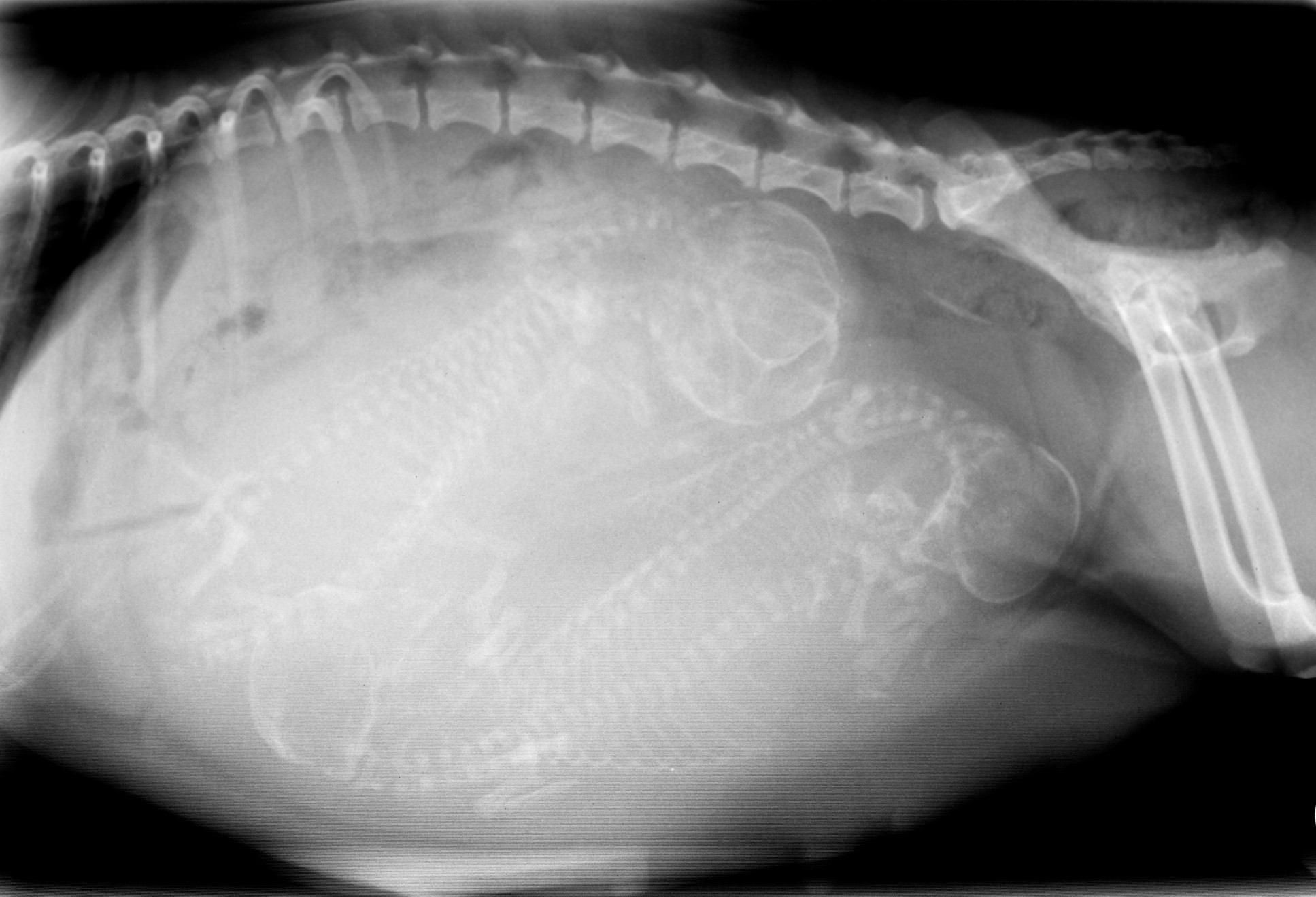
A veterinarian may recommend X-rays after an examination for limping, an injury, a persistent cough, or certain digestive problems. X-rays can help assess bones and joints, the size and shape of some organs, and patterns in the chest or abdomen. They may also reveal some swallowed objects, although not every material shows up clearly.
Imaging is one piece of the picture, not a diagnosis by itself. Your pet’s history, physical examination, and sometimes bloodwork or other tests help a veterinarian interpret what an image means. Tell us when symptoms began, whether they have changed, and whether your pet may have fallen, been injured, or swallowed something unusual.
What happens when a pet has X-rays?
Your pet needs to stay still briefly while each X-ray image is taken. The team positions the body part being examined, and more than one view is often needed to see an area from different angles. Positioning may be uncomfortable if your pet has an injury or painful joints.
Some pets can have X-rays while awake; others need sedation to reduce fear, ease discomfort, or allow accurate positioning. That decision depends on your pet’s condition, temperament, and the images needed. If sedation is being considered, ask about its risks, monitoring, and recovery before giving consent.
Taking an individual image is quick, but the full visit includes assessment, preparation, positioning, and image review. Sedation or additional testing can add time. Ask what to expect for your pet rather than planning around a fixed appointment length.
If you are unsure whether your pet needs an examination, call (650) 443-7411 to discuss your concern and ask about next steps. Let us know about any pain, breathing changes, or recent injury when you call.
How to prepare before an imaging visit
Ask for preparation instructions before changing your pet’s usual feeding or medication routine. Fasting may be needed for some procedures, particularly when sedation is planned, but it is not appropriate to assume every pet should skip a meal. Do not withhold prescribed medication unless a veterinarian tells you to.
Have a current medication list ready, including supplements, and share any previous reactions to sedation or anesthesia. Prior X-rays, test results, and relevant medical records may help avoid gaps in your pet’s history. Ask whether records should be sent before the visit.
Bring your pet on a secure leash or in an appropriate carrier. Tell the team if handling a painful area may cause your pet to bite or scratch. This information helps everyone plan a safer, less stressful examination.
What X-ray results can—and cannot—answer
X-rays can identify certain fractures, changes in organ size, and other abnormalities, but they do not show every disease. Soft tissues can overlap, and some problems may be too subtle to see. A normal X-ray does not always explain away ongoing symptoms.
Depending on the findings, a veterinarian may suggest additional views, repeat imaging later, ultrasound, laboratory testing, or specialist review. Ask what the images show, what remains uncertain, and how the results affect treatment choices. Before leaving, make sure you understand what to watch for at home and when a recheck is recommended.
Common Questions
Questions about your pet’s X-rays
Are X-rays safe for pets?
X-rays use ionizing radiation, so they should be taken for a medical reason. Veterinary teams limit exposure through appropriate technique and positioning. Ask how the expected benefit relates to your pet’s situation, especially if pregnancy is possible.
Can I stay beside my pet during the X-rays?
You generally will not remain beside your pet during the exposure because radiation safety procedures limit who can be present. Ask the team how your pet will be supported and share any handling concerns beforehand.
Will an X-ray show something my pet swallowed?
Some objects, such as certain metal items, show up clearly, while fabric, plastic, and other materials may not. X-rays may show indirect signs of a blockage even when the object itself is not visible. Suspected swallowing of a dangerous object needs prompt veterinary advice.
Should I wait for an appointment if my pet seems seriously ill?
No—difficulty breathing, collapse, severe pain, or a major injury calls for immediate veterinary attention. Contact an emergency veterinary facility rather than waiting for a routine appointment or an imaging discussion.
Discuss Your Concerns
Ask about the next step for your pet
Contact Oakline Animal Hospital and Urgent Care in San Carlos, CA to discuss your pet’s symptoms and an examination. We can talk with you about your concerns and questions about diagnostic options.