Everyday Pet Health
Preventative care for each stage of your pet’s life
Learn how routine veterinary visits, protection against disease and parasites, and healthy habits can support your pet’s well-being. We can help you understand which next steps make sense for your pet.
Start with what your pet needs today
Preventative care is about looking after your pet before a problem becomes obvious. Even when your pet seems healthy, a veterinary visit gives you time to discuss small changes, ask questions, and review ways to reduce avoidable health risks.
Your pet’s needs depend on age, health history, daily activities, and exposure to other animals. A young pet beginning vaccinations may need a different plan from an older pet with changes in weight or mobility. There is no single checklist that fits every animal.
At Oakline Animal Hospital and Urgent Care in San Carlos, CA, we encourage you to bring up the details you notice at home. Changes in thirst, appetite, bathroom habits, sleep, or play can help guide a discussion about your pet’s health, even if those changes seem minor.
Know what to discuss during a routine visit
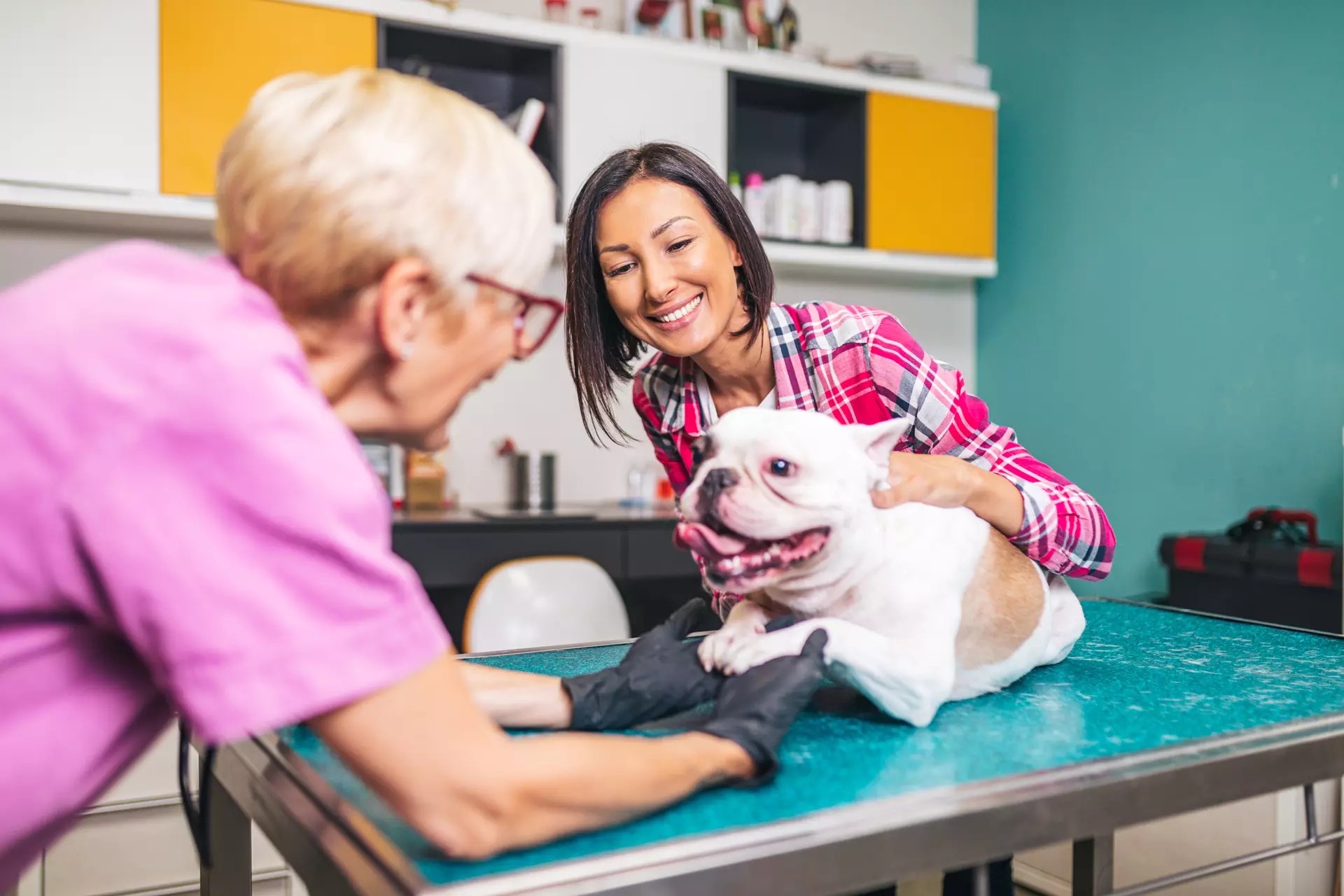
A preventative care visit generally starts with a conversation about your pet’s history and how things are going at home. A physical examination typically includes checking the eyes, ears, mouth, skin, coat, heart, lungs, and body condition. Tell us if your pet becomes nervous during handling so we can discuss how to prepare.
Vaccination recommendations depend on the animal’s species, age, previous vaccines, lifestyle, and exposure risks. Bring any available vaccine records, particularly if your pet is new to your household. Records help avoid guesswork when discussing what may be due.
Parasite prevention is another important topic, including protection against fleas, ticks, heartworms, and intestinal parasites when appropriate. Products are not interchangeable between species, and some dog products are dangerous for cats. Ask for guidance before starting or changing a product.
Depending on your pet’s age, symptoms, and medical history, a veterinarian may recommend blood work, urine testing, or stool testing. Ask what each test checks, why it is being suggested, and how the results could affect the next step. Contact us before your visit to find out whether you should bring a sample or follow any preparation instructions.
Make healthy habits part of life at home
Small, consistent habits help you notice changes and support your pet between visits. Keep track of what your pet eats, including treats, and ask about suitable portions rather than relying only on the feeding guide on a food package. Changes in weight deserve attention, whether your pet is gaining or losing.
Dental care matters even when your pet is eating normally. Ask about pet-safe toothbrushing and appropriate dental products; human toothpaste should not be used for pets. Bad breath, drooling, bleeding gums, or difficulty chewing are reasons to seek advice rather than simply changing treats.
Give your pet regular activity and enrichment suited to their age and physical abilities. Keep a simple record of medications, preventatives, and new symptoms, and bring it to appointments. If something changes, contact us rather than waiting for the next routine visit.
FAQ
Questions about preventative care
How often should my pet have a checkup?
Many healthy adult pets benefit from a yearly examination, while young pets, older pets, and pets with health conditions may need visits more often. We can discuss an appropriate schedule based on your pet’s individual needs.
Does an indoor pet still need preventative care?
Yes. Indoor pets can still develop dental disease, weight problems, and other health conditions, and their exposure to parasites or infections is not always zero. Discuss your pet’s living situation so recommendations reflect actual risks.
Does my pet need every vaccine every year?
Not necessarily. Vaccine schedules vary by vaccine type, prior doses, age, lifestyle, and legal requirements. Bring previous records so we can review what protection may be needed.
What should I bring to a preventative care appointment?
Bring available medical records, a list of medications and supplements, and the names of parasite prevention products you use. Notes or videos of changes at home can also help; ask ahead about samples or other preparation.
Should I wait for a checkup if my pet seems sick?
No. Contact us promptly about new symptoms rather than waiting for a routine appointment. Trouble breathing, collapse, or inability to urinate requires immediate veterinary attention.
Plan Their Care
Take the next step for your pet’s health
Contact Oakline Animal Hospital and Urgent Care in San Carlos, CA to discuss a preventative care visit. We can help you prepare and identify the questions to bring.