Your Pet’s Teeth
Dental care starts with a closer look
Your pet’s mouth can affect everyday comfort, from eating to playing. Learn which changes deserve attention, what veterinary dental care may involve, and how to make home care more manageable.
Dental problems can be easy to miss
Bad breath, red gums, or a change in chewing can signal a dental problem. Dogs and cats may keep eating even when their mouths hurt, so an empty food bowl does not always mean their teeth and gums are healthy.
Plaque is a film of bacteria that collects on teeth. Over time, it can harden into tartar, while inflammation and infection can affect the tissues supporting the teeth. Brushing helps control plaque, but it cannot remove hardened tartar or treat disease below the gumline.
At Oakline Animal Hospital and Urgent Care in San Carlos, CA, you can talk with us about changes you have noticed and your questions about your pet’s mouth. An examination is the starting point for understanding what may be happening and deciding what to do next.
Know when to have your pet’s mouth checked
Persistent bad breath deserves attention rather than simply being accepted as normal pet breath. You may also notice yellow or brown buildup, bleeding gums, drooling, dropped food, or chewing on only one side. Some pets become less interested in toys or resist having their faces touched.
Contact us if you notice these changes, even if your pet otherwise seems comfortable. Tell us when the problem started, whether eating has changed, and whether there has been an injury. Photos may help you describe a visible change, but do not force your pet’s mouth open to take one.
Facial swelling, a broken tooth, significant bleeding, or difficulty eating warrants prompt veterinary guidance. Trouble breathing, collapse, or bleeding that will not stop calls for immediate emergency veterinary care. Never give human pain medicine unless a veterinarian specifically directs you to do so.
What a dental assessment can tell you
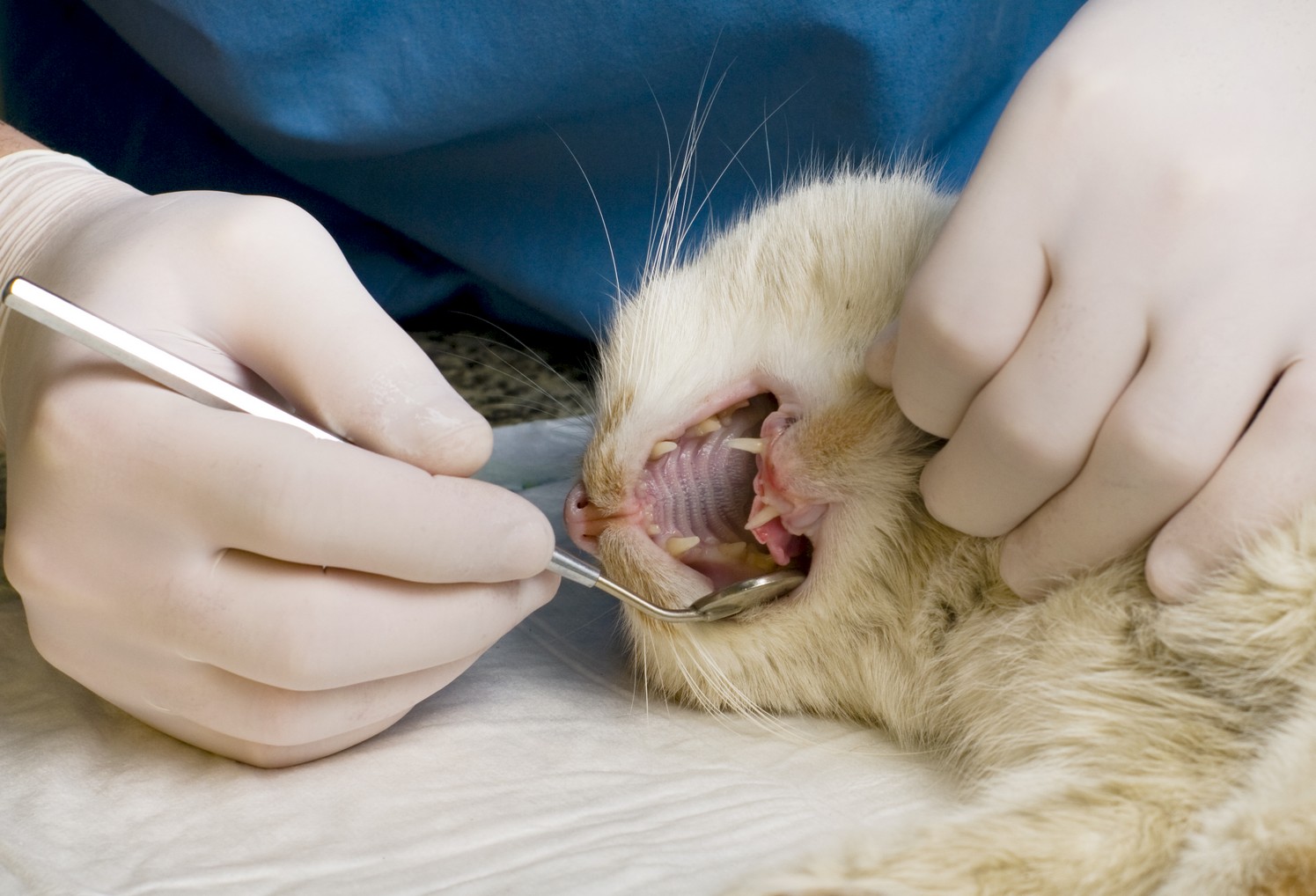
A veterinary examination can identify visible concerns and help determine whether a more detailed dental evaluation is needed. Share your pet’s medical history, medications, previous dental treatment, and any concerns about anesthesia. These details help guide recommendations for your individual pet.
An awake mouth exam has limits because much of each tooth lies beneath the gums. Professional veterinary dental cleaning generally requires general anesthesia so the teeth can be examined and cleaned thoroughly while protecting the airway. Dental X-rays may be recommended to assess roots and surrounding bone that cannot be seen from the outside.
If dental treatment is recommended, ask what it includes, how your pet’s health will be assessed beforehand, and how pain will be managed. Also ask how decisions about damaged teeth are made and what recovery may involve. Timing, preparation, and aftercare depend on your pet’s findings and the planned procedure.
Build a home routine your pet can tolerate
Daily brushing is a useful way to reduce plaque between veterinary visits. Use a pet toothbrush or another veterinarian-recommended tool and toothpaste made for pets. Human toothpaste is not appropriate, and some products contain ingredients that are toxic to animals.
Start slowly, letting your pet become comfortable with brief touches around the lips before introducing the brush. Keep sessions short and reward calm participation. Focus on the outer tooth surfaces, and stop if your pet shows pain, fear, or a risk of biting.
Do not brush a painful or bleeding mouth before getting veterinary advice. Dental diets, treats, or other products may help some pets, but they do not replace an examination or necessary treatment. Avoid very hard chews that can fracture teeth, and ask us which home-care options make sense for your pet.
Dental Care Questions
Answers about your pet’s dental health
How often should my pet’s teeth be checked?
Your pet’s mouth should be assessed during routine veterinary examinations. How often a closer dental evaluation or professional cleaning is needed depends on age, oral health, home care, and previous dental problems.
Does my pet need dental care if they still eat normally?
Possibly. Pets can adapt their chewing or continue eating despite discomfort. Bad breath, gum changes, drooling, or a damaged tooth are reasons to seek advice even when appetite seems unchanged.
Can a dental chew replace brushing?
Dental chews may help reduce plaque, but they do not clean every surface or treat existing dental disease. Choose products suited to your pet’s size and chewing habits, supervise use, and discuss suitable options with a veterinarian.
Is anesthesia safe for an older pet?
Age alone does not determine anesthetic risk. A veterinarian considers your pet’s overall health, examination findings, and any recommended testing before discussing the risks and benefits. No anesthetic procedure is risk-free, so ask how the plan would be tailored to your pet.
What if my pet will not let me brush?
Do not force brushing or risk a bite. Sudden resistance may indicate pain, while other pets need a slower introduction. We can discuss your concerns and help you identify a realistic next step.
Talk With Us
Have questions about your pet’s mouth?
Contact Oakline Animal Hospital and Urgent Care to discuss dental concerns and arrange an examination. Tell us about pain, swelling, or trouble eating when you call so we can help you decide what to do next.